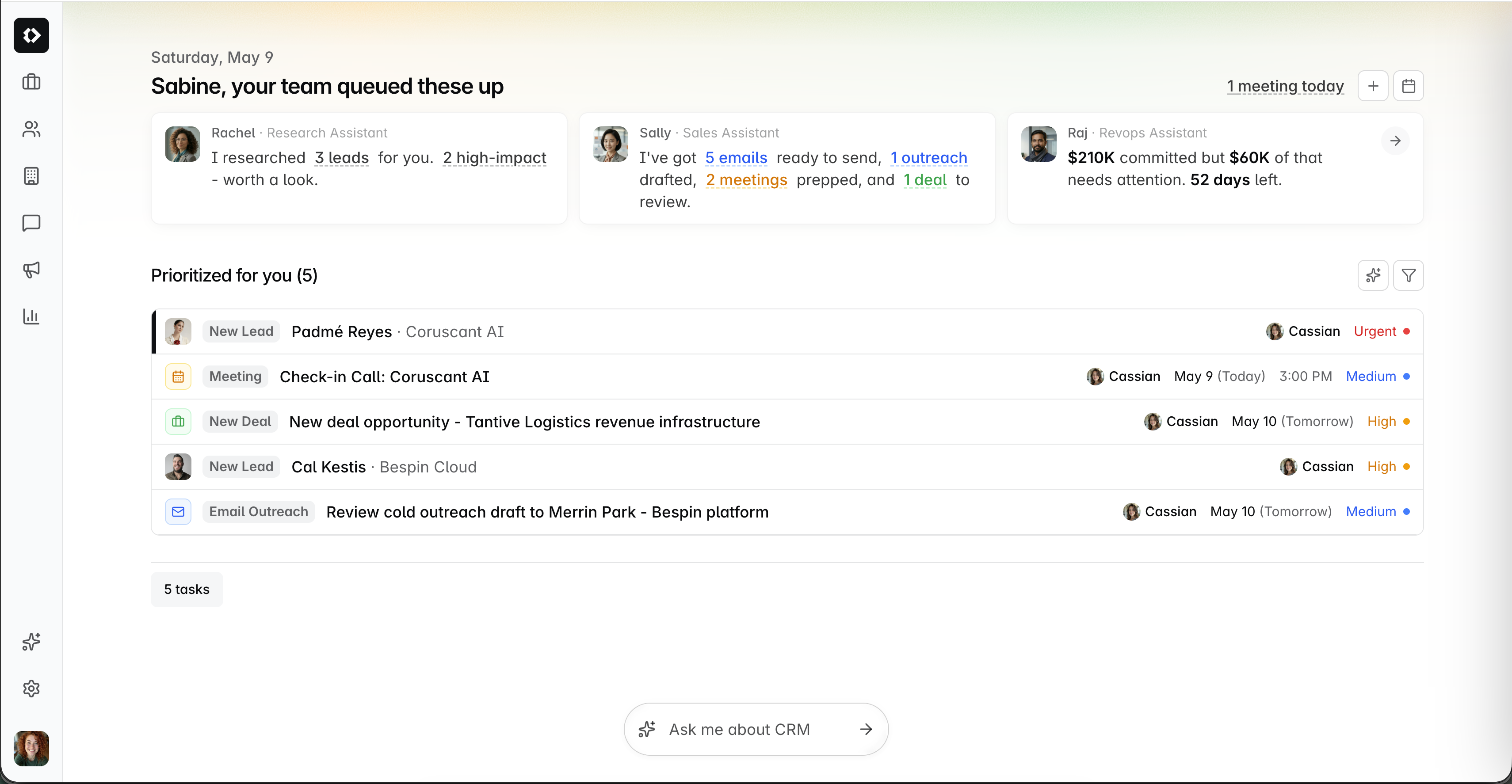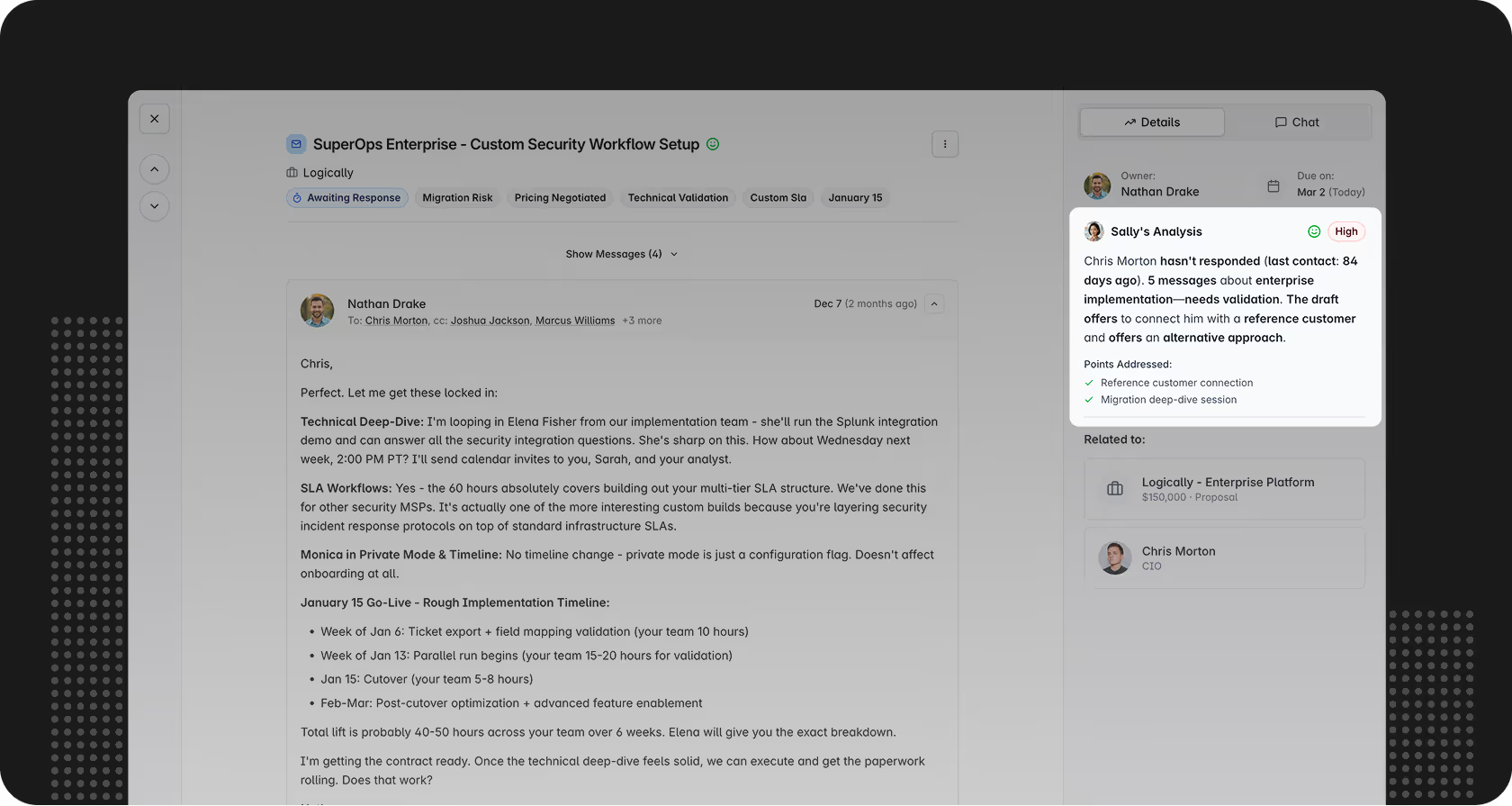
Copilot summarizes. Agents read. None of them capture. A CRM built for humans to fill forms can't suddenly hear customer conversations.
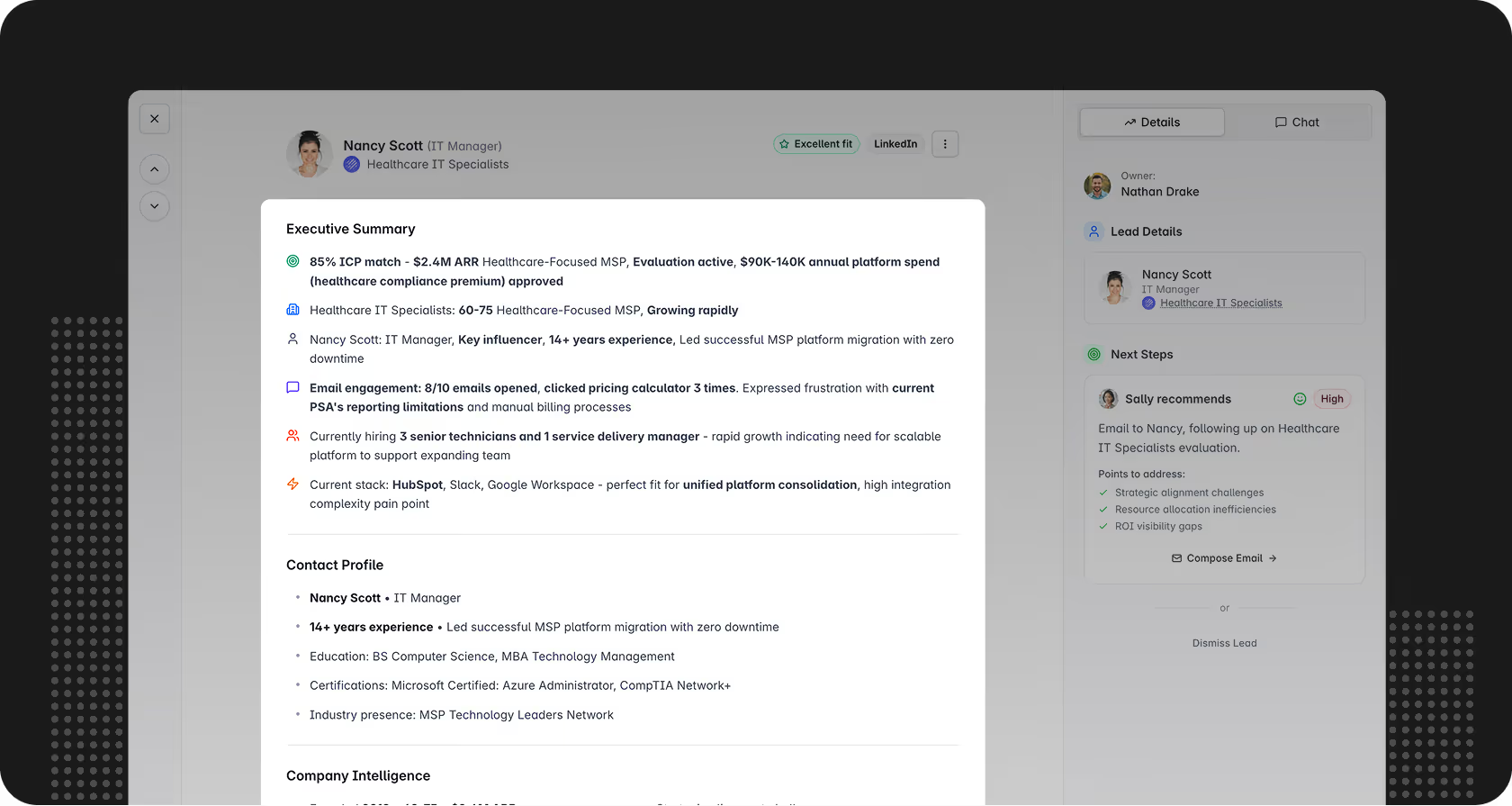
+ Sees the conversation, not just the form fields
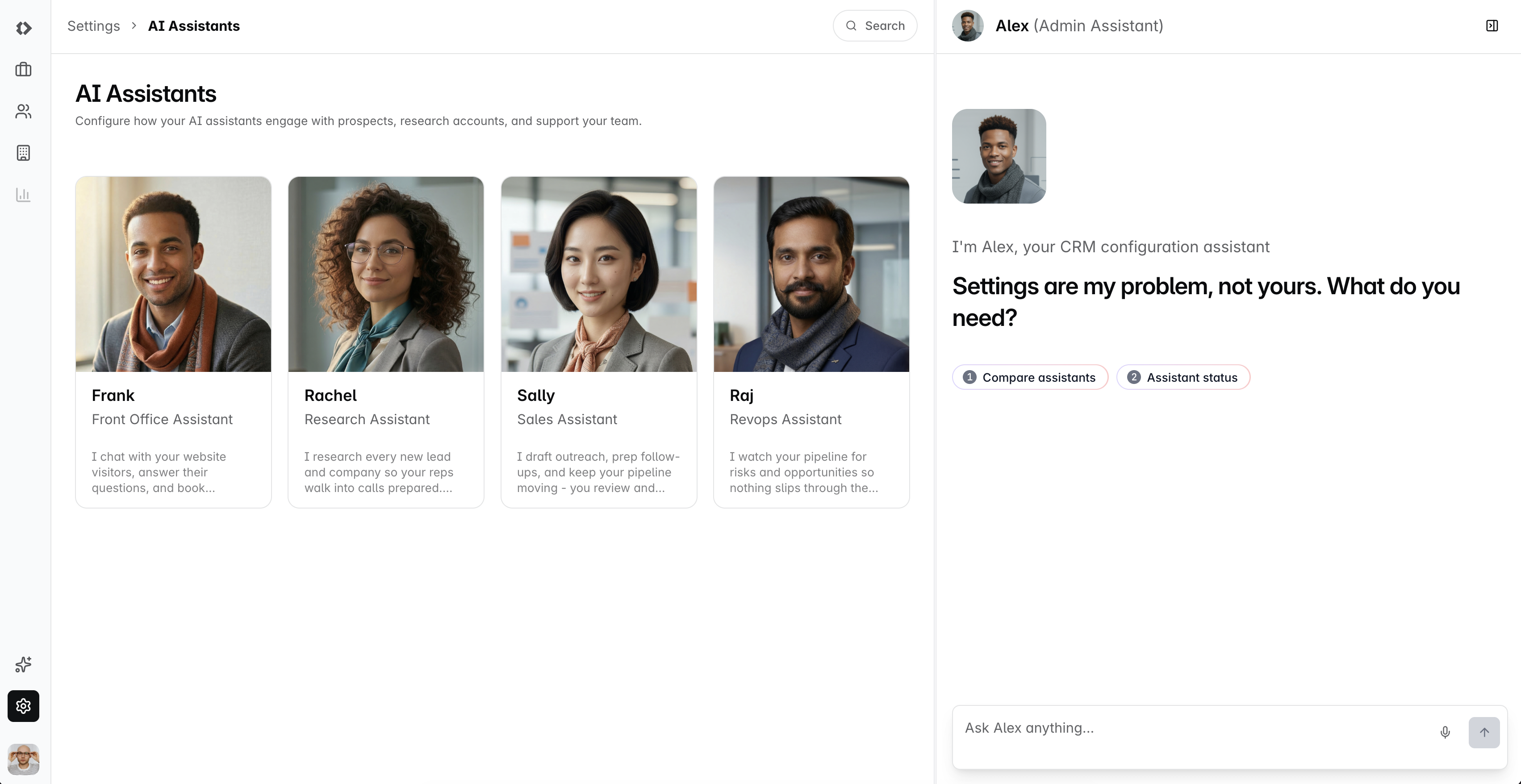
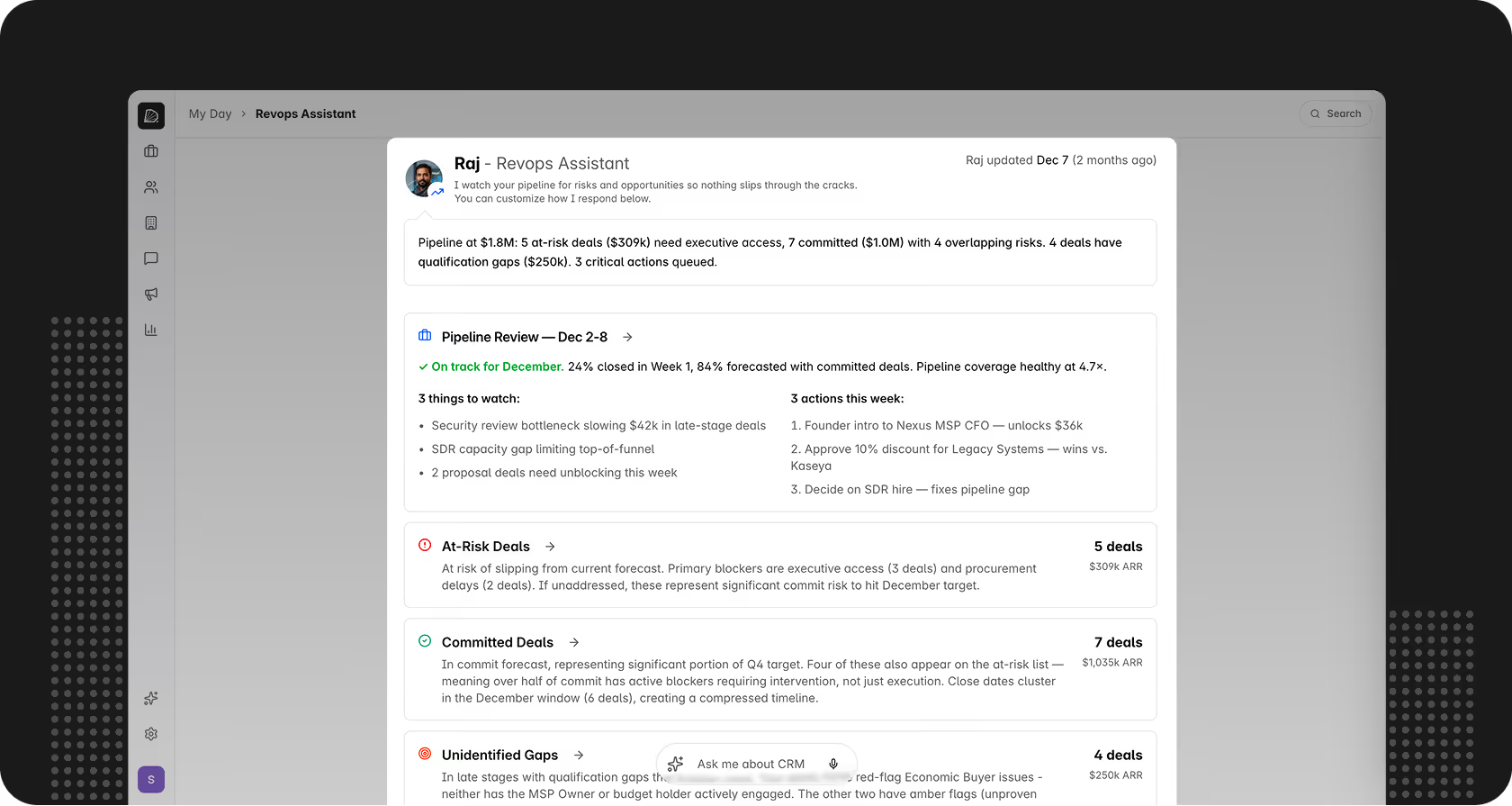
+ Five specialist AI teammates, in production.
+ Reasons across the full conversation, not a record summary

Reps still decide what gets logged. Your team is expected to build the routing workflows. Whatever they skip, Breeze inherits: dirty fields, duplicate contacts, stale stages.
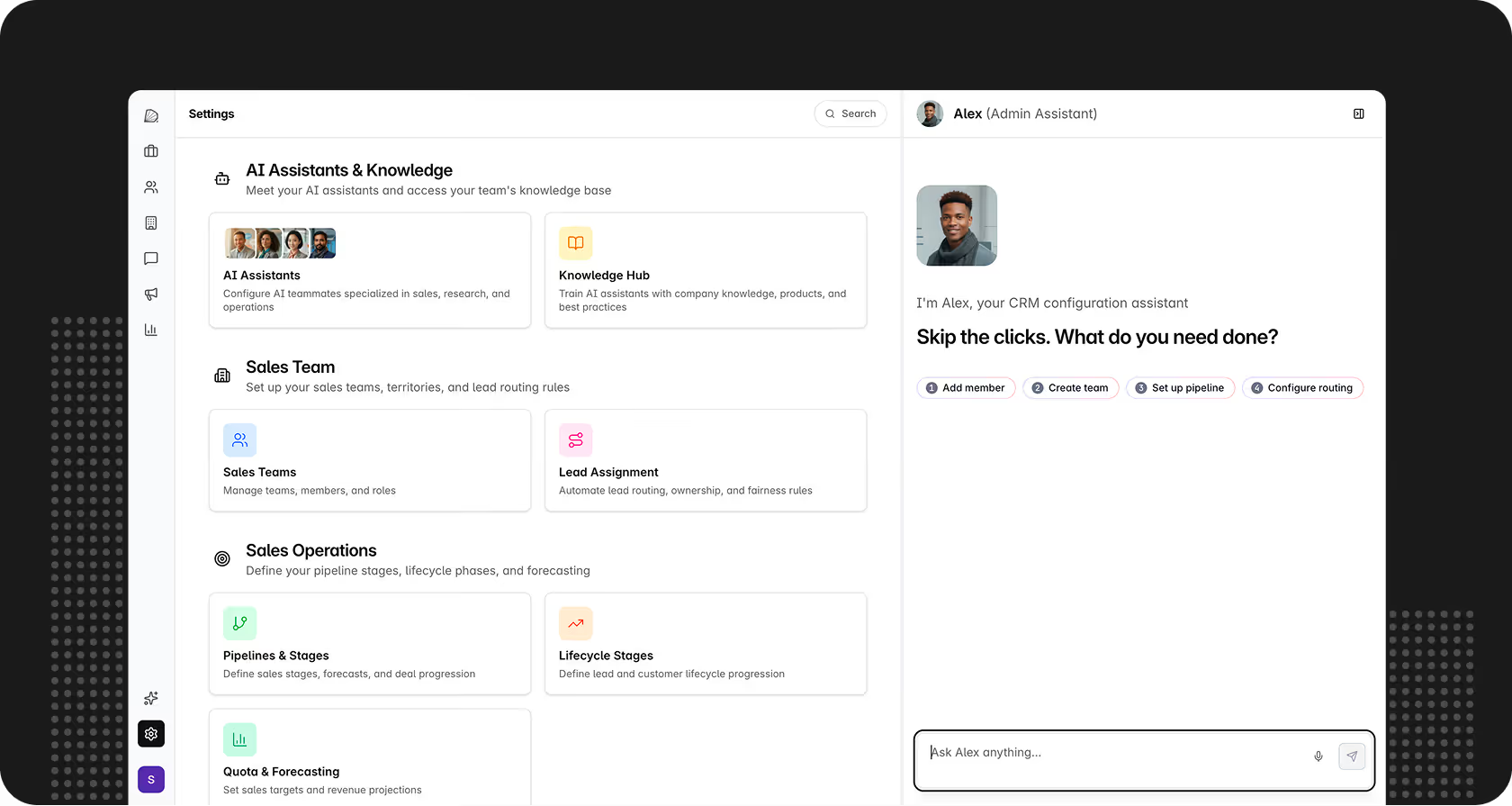
+ No automation builder to maintain
+ No specialist admin or implementation partner needed
+ Workflows don't break when your process shifts

Breeze sits on a HubSpot instance that needs ongoing config and cleanup. New reps still spend HubSpot certification time before they're productive. And every Breeze improvement is gated by HubSpot's roadmap pace.
+ Sales team productive on day one, no HubSpot certification required
+ No HubSpot instance to configure, clean, and maintain underneath
+ Standard contracts, no Breeze roadmap risk


Three differences. Architecture: Dreamteam is AI-native, Breeze is AI added on top. Coverage: Dreamteam captures every conversation, Breeze sees only what reps logged. Maturity: Dreamteam's agents are live, HubSpot still labels Customer Agent as experimental.
HubSpot still labels several Breeze agents as experimental, including Customer Agent. Dreamteam's five teammates are live today, each with a named domain and defined job description.
Workflow logic is rebuilt with Alex through natural-language descriptions instead of trigger-condition-action blocks. Existing HubSpot automations don't auto-convert; teams describe the intent ("flag any deal stuck in negotiation for more than 14 days") and Alex configures the equivalent in Dreamteam.
In most deployments, yes. Conversation intelligence, prospecting research, and data enrichment are built into the platform, so a separate Gong / Apollo / Clay stack is usually not required. Customers who keep specific tools running typically connect them through Alex.
Dreamteam is built for B2B SMBs, the fast-growth segment that has outgrown HubSpot's SMB pricing but doesn't want a legacy enterprise CRM's complexity or 6-month implementation timeline.